Fiction · Fiction
The Snowbird's Almanac
My mother kept a book that was not exactly a diary and not exactly a ledger.
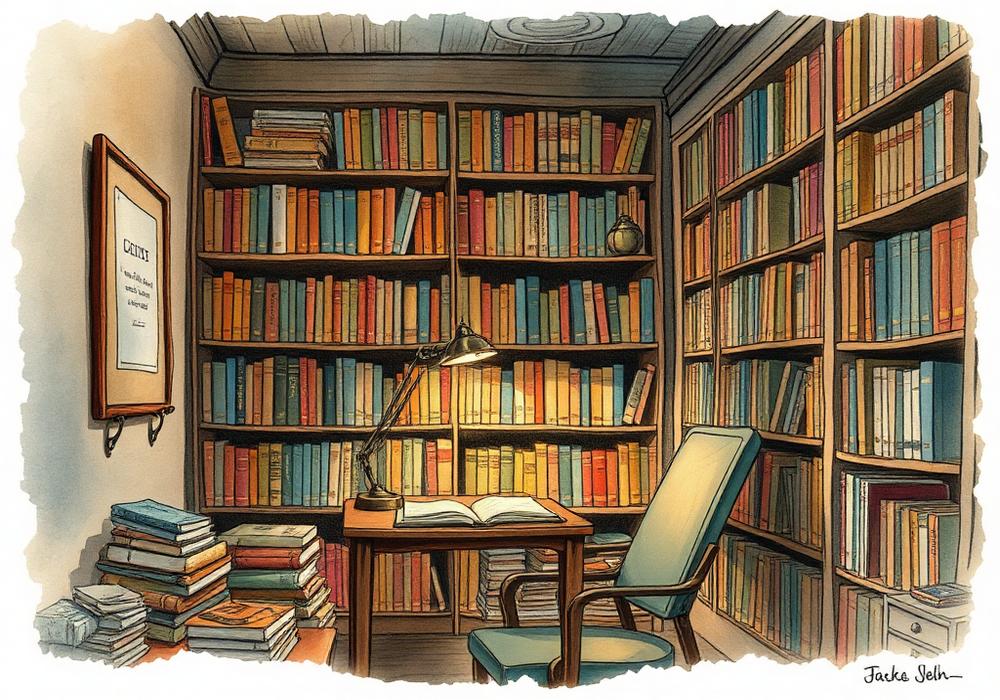
My mother kept a book that was not exactly a diary and not exactly a ledger. She wrote in it on Sundays, in a slanted hand that always seemed to be arriving at the page a moment before she did — from October, when they closed the house in Buffalo, until the first cold snap in April sent them north again. There were recipes for key-lime pie in the back, and, near the middle, a list of the birds she had seen from the lanai, in the order she remembered them rather than the order they appeared.
When she died I read the book from the last page forward, which is not a natural way to read anything, but it seemed proper — as though I were unspooling the thread she had spent forty winters winding. What I learned was not a life so much as an inventory of attention: the leak above the pantry, the neighbor's grouper stew, the way the light fell across the enamel bowl on a Wednesday in November, once the tourists had gone home and the island was ours again.
My sister, who had wanted no part of the book, asked me what was in it. I said: everything, and also nothing that would help. She nodded, and poured the sweet tea, and we sat for a while without speaking, in the Florida-room where our mother had made her lists. Outside, a mockingbird was doing an imitation of a car alarm it had heard in the Publix parking lot, and doing it, we agreed, better than the original.
I have the book now. It sits on the shelf above the desk where I am writing this, and every so often I take it down and read a page at random. Yesterday I read: cardinal, Tuesday, on the sabal palm, singing. That was all. Whether the cardinal was singing well or badly, whether the Tuesday was a good one or a bad one, whether the sabal palm was the one out front or the one out back — none of that is recorded. And yet, somehow, when I closed the book, I could see the whole afternoon.